In today’s connected world, online privacy and security are becoming more important than ever. Whether you are browsing, streaming, or working remotely, your internet traffic can be tracked, monitored, or even intercepted. That’s where a VPN server comes into play.
But what exactly is a VPN server, and why does it matter for your online safety? Let’s find out.
Understanding VPN Servers
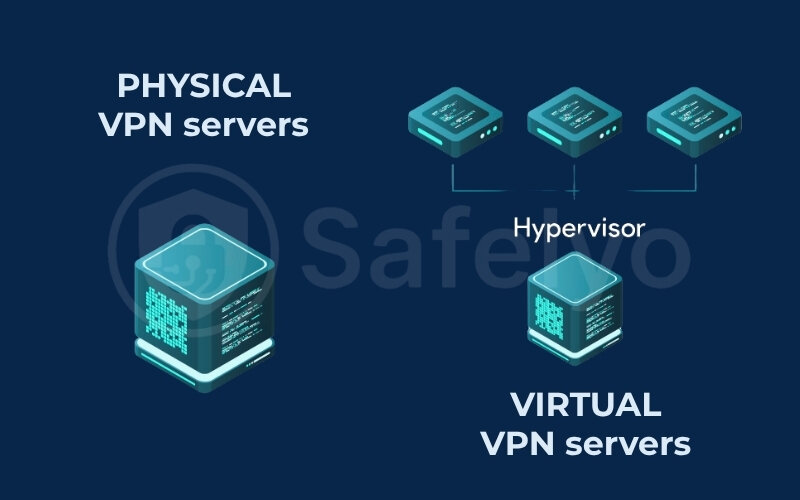
A VPN server is a secure server that acts as a middle point between your device and the internet. When you connect to a VPN, your data does not travel directly to the website or app you are using. Instead, it first goes through the VPN server.
This process hides your real IP address, encrypts your internet traffic, and makes it appear as though you are browsing from the location of the VPN server, not your actual location.
Think of it as a protective gateway that keeps your identity hidden and your data safe.
How Does a VPN Server Work?
Here’s a step-by-step breakdown:
- You connect your device (phone, laptop, tablet) to a VPN server using a VPN app or settings.
- Your data is encrypted before leaving your device.
- The VPN server assigns you a new IP address, masking your real one.
- Your internet requests are forwarded to websites, apps, or services.
- The response comes back through the VPN server and is sent securely to you.
This makes it nearly impossible for third parties, including hackers, ISPs, or advertisers, to track your online activities.
Types of VPN Servers
There are different kinds of VPN servers designed for specific needs:
- Shared VPN Server: Many users share the same server and IP address, offering anonymity.
- Dedicated VPN Server: Provides a private IP address for one user, often used for business.
- Double VPN Servers: Route traffic through two VPN servers for extra security.
- Obfuscated Servers: Hide the fact that you’re using a VPN, useful in restricted regions.
Benefits of Using a VPN Server
- Enhanced Privacy: Your real IP and location stay hidden.
- Secure Data: Strong encryption protects passwords, financial info, and personal messages.
- Unblock Content: Access geo-restricted websites, apps, or streaming platforms.
- Bypass Censorship: Connect freely even in countries with restricted internet.
- Remote Work Security: Businesses use VPN servers so employees can safely access company networks.
Choosing the Right VPN Server
When picking a VPN, consider these factors:
- Server Locations: More servers across the globe mean more access to content.
- Speed and Performance: A good server should be fast and stable.
- Security Protocols: Look for strong encryption (e.g., OpenVPN, WireGuard).
- No-Logs Policy: Ensures your data is never stored.
Why VPN Servers Matter Today
With increasing cyber threats, online tracking, and digital restrictions, VPN servers are essential tools for both individuals and businesses. They not only secure your internet connection but also give you freedom to browse without limits.
Final Thoughts
A VPN server is much more than a technical term—it’s your gateway to privacy, security, and freedom online. By routing your connection through a VPN server, you protect your identity, encrypt your data, and gain access to a truly open internet.
If you value your digital safety, choosing the right VPN server is one of the smartest steps you can take today.

.jpg)



.png)