When you use a VPN, your data is encrypted and routed through secure servers. But have you ever wondered how this process actually works? The answer lies in something called VPN protocols.
VPN protocols are the set of rules and technologies that determine how your device communicates with the VPN server. They define how your data is encrypted, how fast your connection is, and how secure your browsing experience will be.
What is a VPN Protocol?
A VPN protocol is a method that manages the connection between your device and the VPN server. It decides:
- How your data is encrypted.
- How your identity and IP address are hidden.
- How quickly your internet connection runs.
Think of it like the blueprint of your VPN connection—different protocols focus on speed, security, or compatibility depending on your needs.
Common Types of VPN Protocols
Here are the most widely used VPN protocols today:
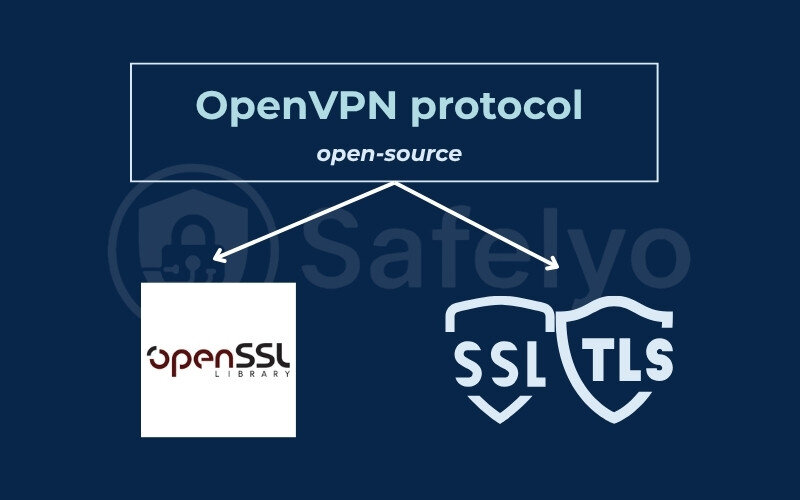
1. OpenVPN
- Pros: Highly secure, open-source, widely supported.
- Cons: May be slower than newer protocols.
- Best for: Strong security and general browsing.
2. WireGuard
- Pros: Very fast, lightweight, modern encryption.
- Cons: Still newer, not as battle-tested as OpenVPN.
- Best for: Streaming, gaming, and fast browsing.
3. IKEv2/IPsec
- Pros: Stable, reconnects quickly if your network drops.
- Cons: Limited support on some devices.
- Best for: Mobile devices (great for switching between Wi-Fi and mobile data).
4. L2TP/IPsec
- Pros: More secure than PPTP, widely available.
- Cons: Slower due to double encryption; may be blocked easily.
- Best for: Users needing compatibility on older devices.
5. PPTP
- Pros: Very fast, easy to set up.
- Cons: Outdated and insecure by today’s standards.
- Best for: Only for legacy systems.
6. SSTP (Secure Socket Tunneling Protocol)
- Pros: Works well on Windows, hard to block.
- Cons: Mostly limited to Microsoft platforms.
- Best for: Windows users who want built-in support.
How to Choose the Right VPN Protocol
When selecting a VPN protocol, consider:
- Security: Choose OpenVPN or WireGuard for the strongest encryption.
- Speed: WireGuard and PPTP are faster, but PPTP lacks security.
- Compatibility: L2TP/IPsec and IKEv2 are good for mobile devices.
- Bypassing Restrictions: OpenVPN and SSTP often work best in countries with strict firewalls.
Why VPN Protocols Matter
The protocol you use can completely change your VPN experience:
- Stronger protocols keep hackers, ISPs, and trackers away.
- Faster protocols give you smoother streaming and gaming.
- Flexible protocols ensure you stay connected across devices and networks.
Final Thoughts
VPN protocols are the foundation of your online privacy and security. Whether you want maximum protection, high speed, or compatibility with your devices, understanding these protocols helps you make the right choice.
If you want a balance of speed and security, modern protocols like WireGuard or OpenVPN are your best options. For mobile stability, IKEv2/IPsec is a strong choice.
Choosing the right VPN protocol ensures you get the most out of your VPN—safe, private, and reliable internet access.

.jpg)



.png)